
Stonehenge and the Summer Solstice: Inside an Ancient Sun Ritual
Why does the summer solstice draw thousands to Stonehenge? Explore the monument's solar alignment, its builders, and how people mark the longest day today.

Each year around June 21, the longest day of the year, thousands of people gather in a field in southern England to watch the sun come up. They are at Stonehenge, and the moment they are waiting for is precise: on the summer solstice, the sunrise lines up with the monument’s central axis, sending the first light straight into the ancient circle of stones.
It is one of the oldest sunrise appointments humanity still keeps.
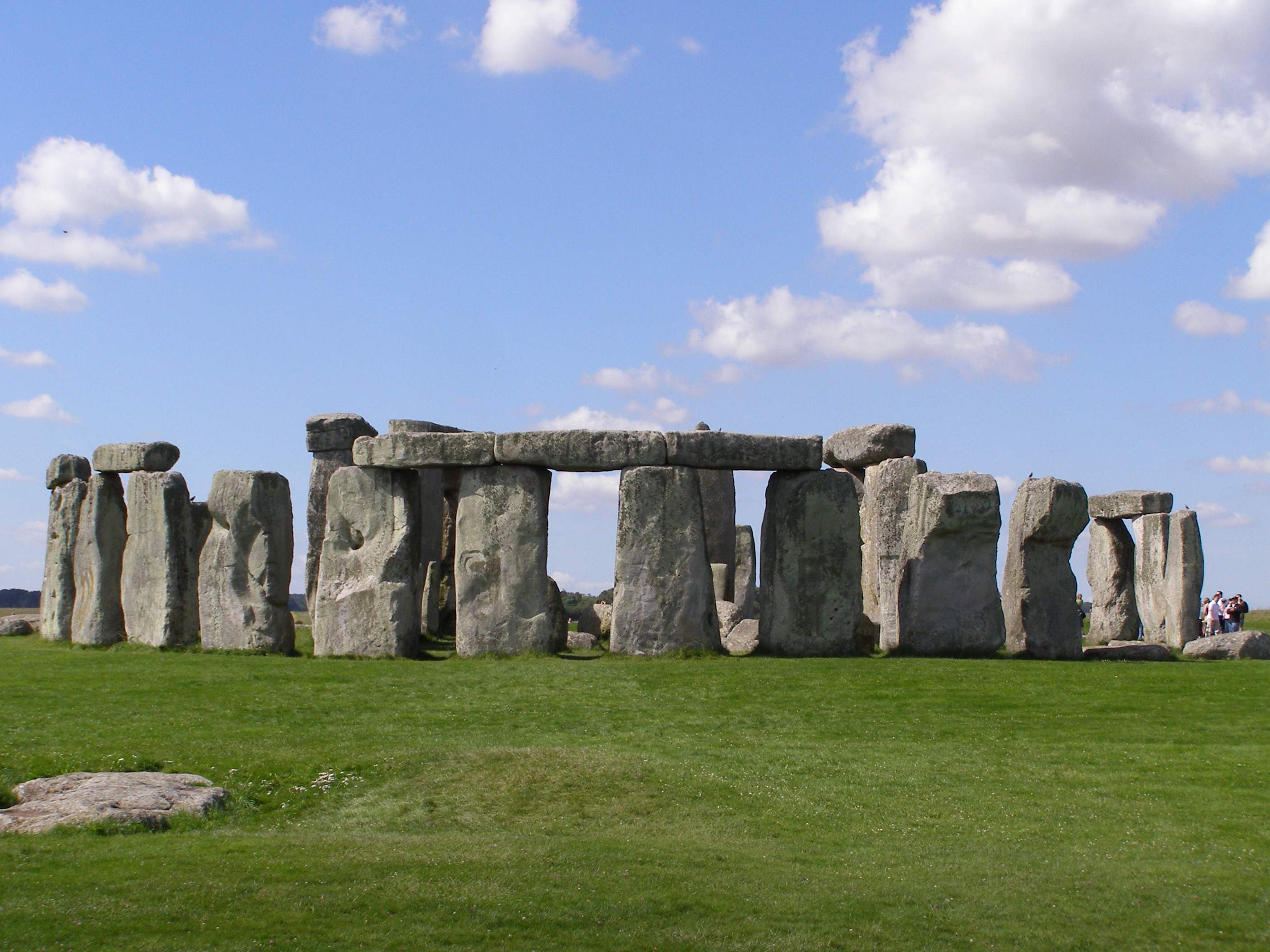
Image: Photo by garethwiscombe (CC BY 2.0) via Wikimedia Commons
A monument built to follow the sun
Stonehenge was raised in stages, beginning around 3000 BCE, by the Neolithic and Bronze Age peoples of Britain. That makes it far older than the Druids it is so often linked to, and older than the pyramids at Giza. The builders left no writing, so much about their beliefs is still a mystery. What they did leave is the alignment itself.
The great stones frame two key moments of the year. Stand in the center on the morning of the summer solstice, and the sun rises over the outlying Heel Stone. Six months later, at the winter solstice, the sun sets through the same axis in the opposite direction. Many researchers believe both moments mattered to the people who built it, with the midwinter sunset possibly being the more important of the two.
Why the solstice mattered to ancient cultures
For communities that lived close to the land, the sun’s yearly journey was not abstract. It told them when to plant, when to harvest, and when the cold would come. A structure that could pin down the turning points of the year was a calendar, a gathering place, and very likely a sacred site all at once.
The summer solstice marked the peak of the sun’s power, the height of light before the slow return toward winter. Across the ancient world, from northern Europe to the Americas, people built monuments and held festivals around these solar turning points. Stonehenge is simply the most famous survivor.
How people mark the solstice today
The solstice tradition never really stopped. Today the longest day, sometimes called Litha in modern pagan practice, is celebrated in many ways:
- Watching the sunrise, at Stonehenge or anywhere with a clear eastern horizon.
- Lighting fires or candles to honor the sun at its peak.
- Spending time outdoors, with picnics, walks, or quiet gratitude for the long light.
- Setting intentions for the bright, active half of the year ahead.
You do not need an ancient monument to take part. The heart of the day is simple attention: noticing the sun, the season, and your own place in the turning of the year.
A closing thought
Stonehenge endures because it speaks to something we still feel. Long before clocks and calendars, people stacked enormous stones just to catch one beam of solstice light. On the longest day, you are invited into the same act of wonder, simply by stepping outside to greet the sun.
If you like to carry the seasons and their symbols with you, take a look at our collection of symbol-rich designs.
Frequently asked questions
Why is Stonehenge connected to the summer solstice?
Stonehenge is aligned with the solstices. On the morning of the summer solstice, the sun rises in line with the Heel Stone and shines into the heart of the monument, suggesting its builders tracked the sun with great care.
Who built Stonehenge?
Stonehenge was built in stages by Neolithic and Bronze Age peoples of Britain, beginning around 3000 BCE. Contrary to a popular myth, it predates the Celtic Druids by thousands of years.
Can you visit Stonehenge for the solstice?
Yes. English Heritage usually opens the monument for managed access at the summer solstice, when thousands gather to watch the sunrise. Check the official guidance before you go, as rules can change year to year.
What is the summer solstice?
The summer solstice is the longest day of the year, when the sun reaches its highest point in the sky. In the Northern Hemisphere it falls around June 20-21 and has been celebrated by cultures worldwide for millennia.